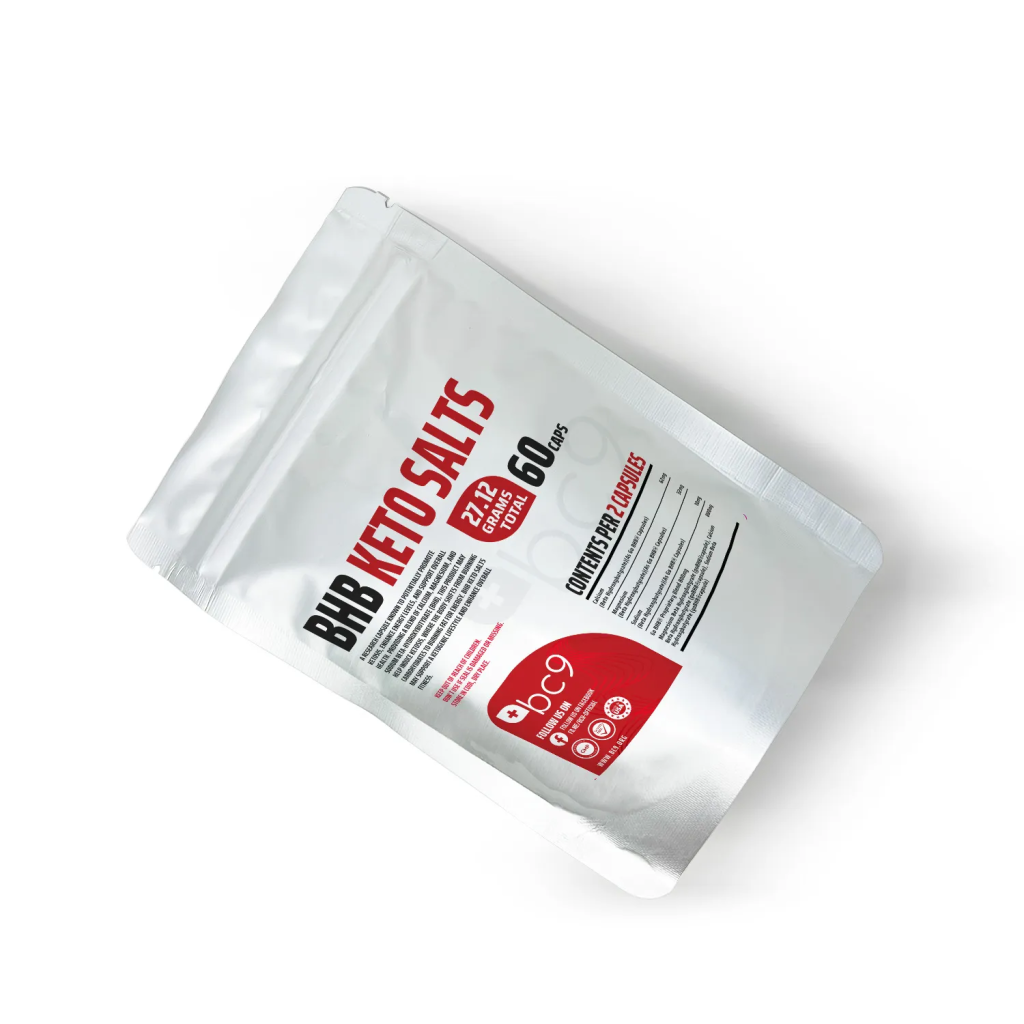
Introduction to BHB Salts and Exogenous Ketone Science
Beta-hydroxybutyrate (BHB) salts are a class of exogenous ketones engineered to elevate circulating ketone levels without the metabolic delay associated with prolonged fasting or strict carbohydrate restriction. Structurally, BHB salts consist of the ketone body beta-hydroxybutyrate bound to mineral ions such as sodium, potassium, calcium, or magnesium, improving stability and oral bioavailability. In controlled environments, these compounds are widely utilized to study metabolic flexibility, cellular energetics, and ketone signaling pathways.
Biochemical Role of Beta-Hydroxybutyrate in Ketosis
Beta-hydroxybutyrate is not merely an energy substrate; it functions as a signaling molecule influencing redox balance, gene expression, and mitochondrial efficiency. Once absorbed, BHB enters circulation and is transported into cells via monocarboxylate transporters (MCTs). Inside mitochondria, it is converted into acetoacetate and subsequently acetyl-CoA, feeding directly into the tricarboxylic acid (TCA) cycle.
Key biochemical functions include:
- Modulation of NAD⁺/NADH ratios
- Inhibition of class I histone deacetylases (HDACs)
- Enhanced mitochondrial ATP yield per unit oxygen
These mechanisms explain why BHB salts for research are frequently employed in metabolic and neurological studies.
BHB Salts vs Endogenous Ketone Production
Endogenous ketosis arises through hepatic fatty acid oxidation, typically requiring glycogen depletion. BHB salts bypass hepatic ketogenesis, providing immediate ketone availability. This distinction is critical in experimental settings where rapid, measurable ketone elevation is required without confounding dietary variables.
Comparative Metabolic Characteristics
|
Parameter
|
Endogenous Ketosis
|
BHB Salts
|
|
Time to ketosis
|
48–72 hours
|
15–45 minutes
|
|
Insulin suppression
|
High
|
Moderate
|
|
Electrolyte control
|
Variable
|
Quantified
|
|
Experimental precision
|
Limited
|
High
|
Mineral Composition and Its Research Implications
The mineral carrier in BHB salts directly affects osmolarity, absorption kinetics, and acid–base balance. Research formulations often optimize mineral ratios to minimize gastrointestinal distress while maintaining ionic equilibrium.
Common mineral pairings include:
- Sodium BHB: Rapid plasma ketone elevation
- Potassium BHB: Cellular membrane potential studies
- Magnesium BHB: Enzyme cofactor interactions
- Calcium BHB: Bone and metabolic crossover research
Ketone Utilization in Cellular Energy Systems
BHB oxidation yields more ATP per mole than glucose under equivalent conditions, making it an efficient mitochondrial fuel. This property is particularly relevant in studies involving energy-demanding tissues such as neurons, cardiomyocytes, and skeletal muscle fibers.
Research Applications of BHB Salts
BHB salts for research are extensively applied across multiple scientific domains due to their reproducibility and controllability.
Metabolic Research
Used to isolate ketone metabolism from dietary fat oxidation, allowing precise measurement of insulin sensitivity, substrate switching, and respiratory exchange ratios.
Neurological and Cognitive Studies
BHB serves as an alternative neuronal fuel, making it valuable in research on synaptic efficiency, neuroenergetics, and oxidative stress modulation.
Exercise and Muscle Physiology
Investigated for their role in glycogen sparing, mitochondrial density signaling, and fatigue resistance under controlled workloads.
Inflammatory and Epigenetic Research
BHB’s interaction with HDAC inhibition and NLRP3 inflammasome pathways positions it as a compound of interest in cellular signaling studies.
Pharmacokinetics and Bioavailability
Oral BHB salts demonstrate dose-dependent plasma ketone elevation, typically peaking within 30 minutes and declining over 2–4 hours. Bioavailability is influenced by mineral load, gastric emptying rate, and concurrent macronutrient intake.
Key pharmacokinetic attributes:
- Rapid systemic distribution
- Predictable clearance rates
- Minimal hepatic metabolism
Safety Parameters in Controlled Research Settings
Within laboratory and academic contexts, BHB salts are evaluated for electrolyte balance, osmotic load, and acid–base neutrality. Research-grade formulations emphasize purity, stereoisomer consistency (D-BHB), and validated analytical profiles.
Analytical Measurement and Data Reliability
Quantification of BHB levels is typically performed via enzymatic assays, mass spectrometry, or capillary blood ketone meters calibrated for beta-hydroxybutyrate specificity. Consistent measurement methodology is essential for cross-study comparability.
Conclusion
BHB salts represent a precise, controllable method for inducing measurable ketosis in research environments. Their dual role as metabolic fuel and signaling molecule makes them indispensable in studies spanning metabolism, neuroscience, and cellular energetics. With defined mineral composition, predictable pharmacokinetics, and broad applicability, BHB salts for research continue to serve as a foundational tool in ketone science and experimental metabolism.